Start with a setup you already know how to use
A home portrait does not require a new way of positioning your baby. Begin with a familiar awake cuddle or the baby’s normal sleep space. If you cannot describe the setup without mentioning a balancing trick, a hidden support, or a specially arranged prop, choose a simpler photograph.
This is a guide to organising a modest photo opportunity around care, not instruction in newborn posing. When your baby has individual care instructions, those remain the starting point. A picture should fit the routine you already follow.
Choose one intended result: a face portrait, a caregiver-and-baby image, or a wider memory of home. A clearly defined goal helps you avoid adding equipment and changes merely because you saw them in someone else’s picture.
Use ordinary supported holding for awake portraits
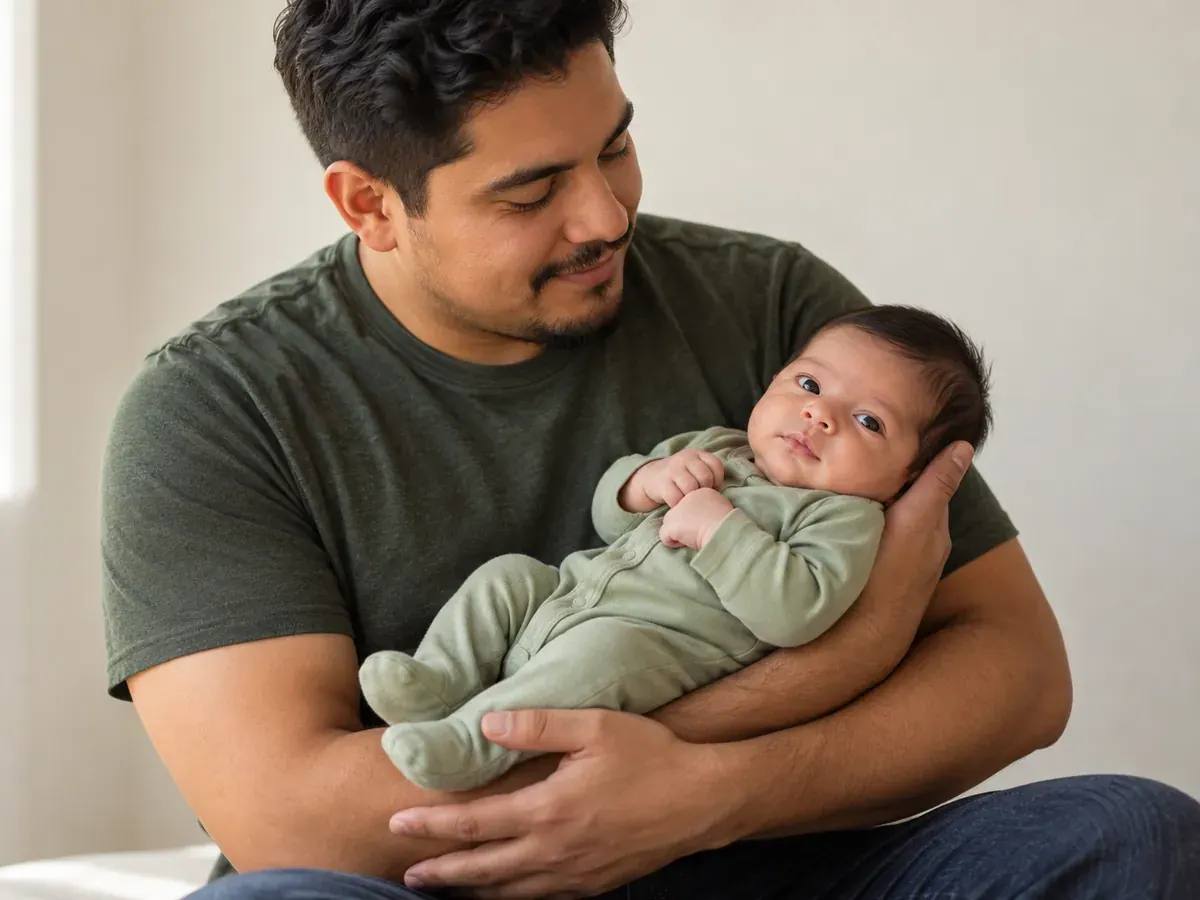
Ask an alert adult to hold the awake baby in a familiar position, with the head and neck supported. SickKids’ newborn safety guidance specifically reminds caregivers to support the newborn’s head.
The holding adult’s job is the baby. The photographer’s job is the camera. Keep that division clear so the caregiver is not simultaneously adjusting a light, reaching for a prop, and watching a screen.
Let the adult choose a comfortable stable seat. They should not have to lean across an armrest or twist their wrists to reveal a better camera angle. If the face is difficult to see, the photographer can change position or wait for another ordinary moment. A support hand is welcome in a family photograph; you do not need to hide it.
Keep sleeping photographs within a proper sleep environment
For sleep, the CPSC’s safe-sleep guidance calls for back positioning in a product intended for infant sleep, with only a fitted sheet. The NIH specifies a firm, flat, level surface.
Do not add cushions, loose blankets, soft toys, or decorative items to create a photographic scene. Keep the normal sleep arrangement intact. If the background feels plain, frame the photograph thoughtfully or record the room in a separate wider image.
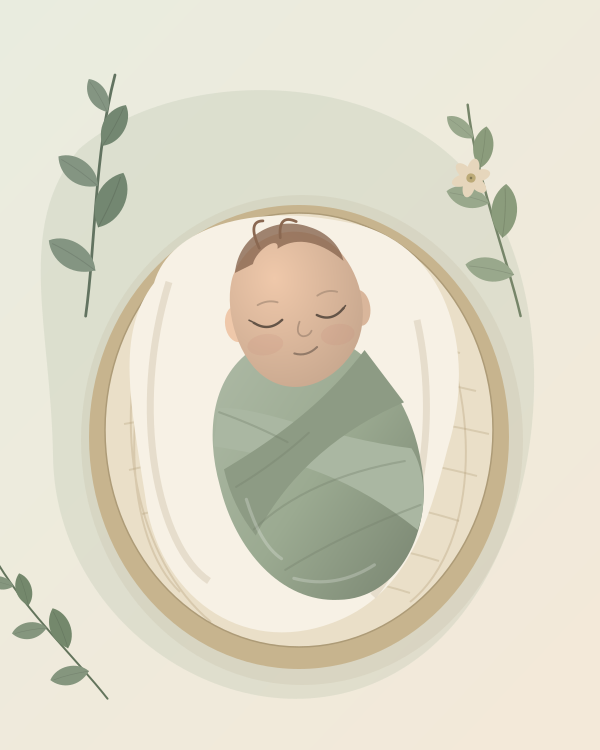
A decorative basket, adult bed, beanbag, tabletop, or other improvised setting is not a substitute for a compliant infant sleep space. Do not use those locations for these home-photo instructions. If a sleeping photograph cannot be made comfortably from beside the normal setup, leave that image for another opportunity.
Avoid poses that depend on a finished-image illusion
A photograph cannot show you everything that happened during its creation. It may have been edited, combined from several files, or made with support that is no longer visible. Do not infer a safe physical technique from the finished picture.
For a home session, skip chin-on-hands “froggy” poses, hanging scenes, upright balancing poses, and any attempt to conceal support while the baby holds an unnatural position. Do not try to reproduce them with homemade equipment or by following a sequence of photographs.
If you enjoy a fantasy look, separate that artistic preference from the actual capture. Take a straightforward source photograph. Digital artwork can suggest a dreamlike setting without requiring you to construct it around a real infant. Baby Lovin’s newborn process may artfully edit a pose; the finished artwork is not a guide to physically positioning a baby.
Keep the equipment plan deliberately small
A phone and available room light are enough to begin. Clear a comfortable route for the photographer, and put chargers, bags, drinks, and loose objects somewhere else before bringing the baby into the scene.
Keep the phone secure and out of the baby’s space. Do not hold it directly over the baby or attach it to an improvised overhead rig. Avoid climbing on chairs for an angle. If an overhead-style photograph would require awkward reaching, choose a side view instead.
Do not place a heater near the baby or aim a bright lamp at close range to create a studio effect. Find a naturally comfortable room and use the light already available. Keep light stands, cords, reflectors, and other equipment out of the session unless a suitable professional is managing them; none is necessary for the simple setups described here.
Do not turn a changing area into a photo station
It may be tempting to take advantage of a raised surface because it seems easier to reach with a camera. That convenience should not determine the photo setup. The AAP warns that falls from changing tables can be serious and that vigilance alone is insufficient.
Finish the care task, then return to the ordinary holding or sleep arrangement appropriate for your baby. Set the phone down when you need both hands for care. There is no requirement to photograph every fleeting moment immediately.
This separation also improves the experience. You are not trying to manage a nappy change, clothing, a camera, and a background at the same time. A missed photograph is easily replaced by another memory; the care task deserves your attention.
Agree on a stop-anytime routine
Before starting, agree that either adult can end the photographs without explaining or negotiating. The baby may need feeding, changing, settling, or simply a quieter moment. The adults may also need a break.
Use three practical cues for the session itself:
- The caregiver says the position is no longer comfortable.
- The photographer cannot get the angle without reaching into the baby’s space.
- The plan is becoming more complicated instead of simpler.
These cues are reasons to stop the photo activity and return attention to care. They are not a medical assessment checklist. If you have concerns about your baby’s health, follow your usual clinical advice rather than continuing the session.
Example: replacing a decorative setup
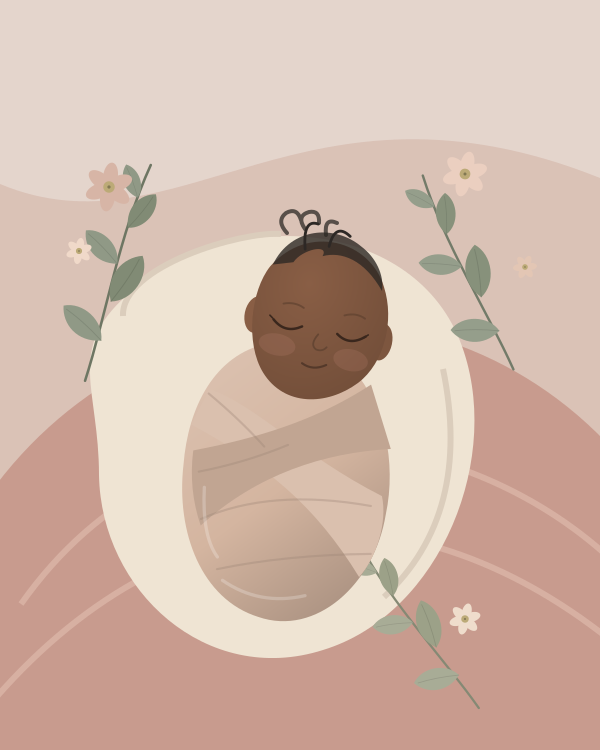
Suppose a reference picture shows a newborn in a moon-shaped prop with flowers around it. You like the soft colours and dreamy mood. Identify those visual ingredients rather than copying the position.
Take a clear awake portrait in a caregiver’s arms beside gentle window light. Keep the outfit simple. Save the reference as inspiration for an editing conversation, or use a moon motif in the album page around the finished photograph. The baby’s real setup remains ordinary while the artistic idea lives in the presentation.
Frequently asked questions
Can I move a sleeping baby onto a blanket for a photo?
For this home guide, keep the baby in their clear approved sleep space on their back. Do not create a separate decorative sleeping area. Photograph the existing safe arrangement or wait for an awake supported cuddle.
Does a second adult make an elaborate pose safe?
A helper is useful for ordinary supported holding and taking pictures, but their presence does not make an unsuitable setup acceptable. Keep the same simple boundaries rather than using another pair of hands to attempt a balancing or composite-style pose.
Can a sibling hold the newborn for a picture?
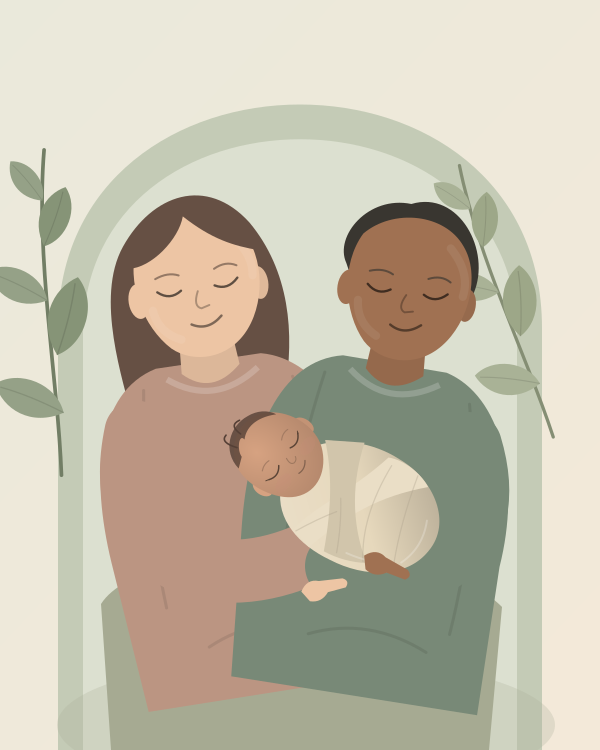
Plan sibling photographs with the adult caregiver maintaining control and support. A young child should not be responsible for holding the newborn for the camera. The sibling photo guide offers ways to include the relationship without that responsibility.
How do I ask a professional about safety?
Ask them to explain how they handle and support babies, what they do when a baby needs care, and which final images involve editing. You should feel able to ask for a simpler setup or stop the activity. Avoid assuming that an attractive portfolio answers those questions.
Use the home phone photography guide for a simple session plan, and theme ideas for ways to express a visual style through artwork and presentation.
Read the photo guidelines before visiting the newborn studio. Clear everyday source pictures are the starting point; a complex physical setup is unnecessary.
Sources