Choose the feeling before choosing the props
A useful theme starts with a sentence: “We want this to feel quiet and dreamy,” or “We want a warm picture that belongs beside our family photographs.” That sentence helps you choose colours and presentation without accumulating a collection of objects.
Think about where the image will live. A portrait for a small bedside frame needs a clear focal point. An album opening may have room for a wider scene. A picture for grandparents may matter most because the baby’s face is recognisable, even if the background is simple.
Choose one main motif and two or three colours. Keep the motif in the artwork, album page, or surrounding display when it would otherwise require an impractical setup around the baby. You can make a photograph personal without making the real session elaborate.
Keep fantasy artwork separate from real positioning
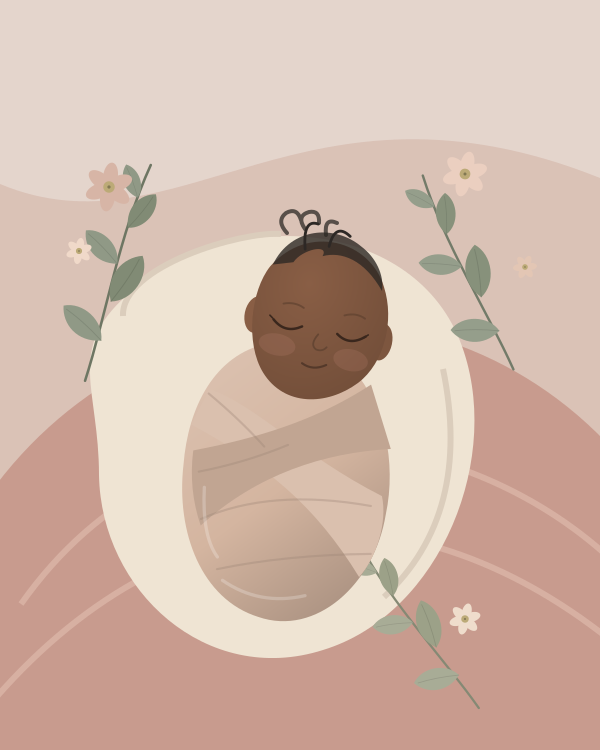
A finished portrait is not evidence that a baby occupied the scene exactly as shown. For example, the Professional Photographers of America’s competition categories explicitly allow composites and manipulated images in newborn work. That illustrates why appearance alone cannot explain how a picture was made.
For home capture, use an awake supported cuddle or your baby’s existing safe sleep arrangement. The NIH’s safe-sleep FAQs specify back sleeping in a firm, flat, clear infant sleep space. Never build a moon seat, hanging bed, flower nest, or balancing prop to imitate artwork.
Baby Lovin’s newborn editing may artfully change a pose. That creative result should be understood as artwork, not a demonstration of a physical position to copy. Monthly, family, and sibling collections preserve the source pose while editing elements such as outfits, background, or theme.
Seven themes with practical ways to use them
1. Moon dreams
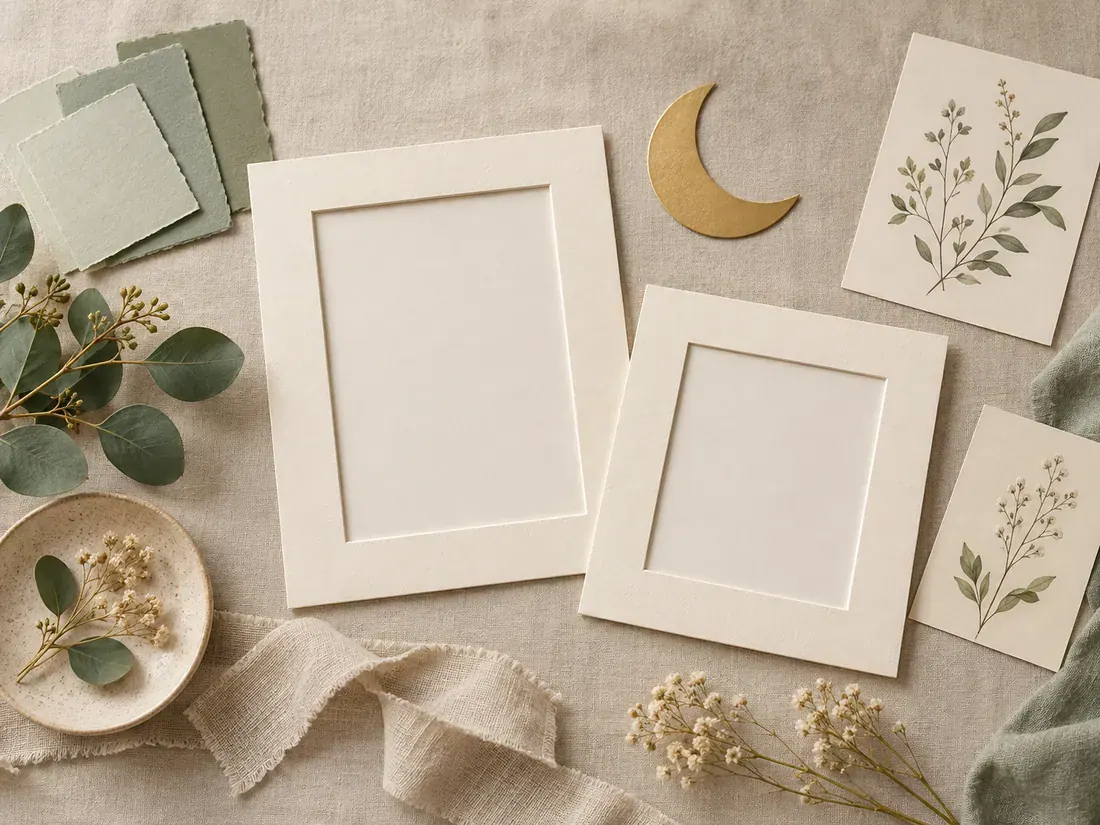
Choose cream, warm grey, and muted gold, with a crescent moon or small stars as graphic or edited background elements. A natural face portrait provides the emotional centre; the celestial motif gives the presentation a gentle story.
For a home album, place the portrait on a plain page and add the motif around the page margin. For edited artwork, describe the mood and colours when discussing possibilities. Keep the baby’s real photograph straightforward rather than constructing a moon-shaped seat.
2. A quiet garden
Try soft green with ivory and a small blush or butter-yellow accent. Botanical shapes can appear in the background design or on the album cover. Choose a loose, airy composition so the face does not compete with a dense flower arrangement.
If you want a photograph of meaningful flowers, make a separate still life away from the baby. Pair that picture with the portrait in an album spread. The connection can come from matching colours without placing leaves, stems, or blossoms in the infant’s space.
3. Warm autumn memories
Use warm oat, soft rust, and muted brown to suggest the season. Texture can come from a caregiver’s clothing or the paper and frame you choose for the finished image.
You do not need a baby surrounded by pumpkins or loose leaves. Take a natural family portrait, then use a separate seasonal still life as a companion image. If requesting edited art, favour one restrained seasonal detail over a busy collection of objects that makes the face harder to notice.
4. A light-filled winter portrait
Cream, soft grey, and a small deep-green accent can suggest winter without requiring a costume. Let the family’s ordinary comfortable clothing lead the picture. Keep decorations in a separate scene or in the finished design.
A simple portrait can work for a seasonal greeting card and still feel useful later in a family album. If that flexibility matters, keep one version without a holiday message or date overlay. You can add text to a duplicate when preparing the card.
5. Family heritage
Start with a meaningful story rather than a generic visual trend. It might be a colour associated with a celebration, a family fabric, or an heirloom kept by a grandparent. Ask family members what the detail means before deciding how to represent it.
Use the meaningful item in a separate photograph if it is not suitable for the baby to wear or touch. An album can place an heirloom close-up beside an ordinary portrait, with a short explanation in your own words. The story becomes clearer without changing the baby’s physical setup.
6. Minimal cream and sage
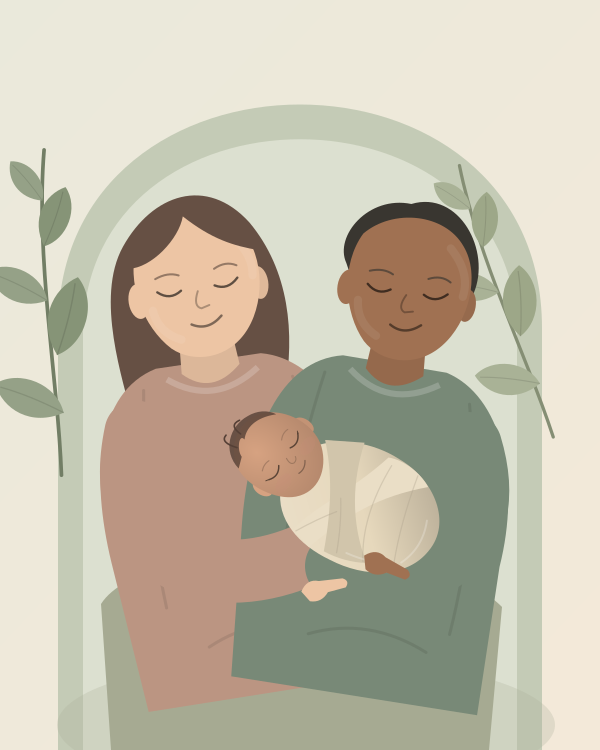
This theme relies on a small palette, a readable face, and generous visual space. Try a familiar plain outfit against a calm background, or an awake cuddle with a caregiver in a coordinating top.
Minimal styling is especially useful when you want a collection of several photographs to sit together. The images do not have to match exactly. Repeating one or two colours can connect them while allowing different expressions and family moments to remain distinct.
7. An everyday family story
The theme can simply be “our first days together.” Include an ordinary caregiver portrait, a view of the room, and a small detail that carries memory. The visual thread is the household and the people in it.
This approach suits families who do not want a fantasy scene. Decide which background details add meaning and which merely distract. A familiar chair or doorway may belong in the story; unrelated packaging probably does not. Move the camera or tidy the visible area rather than redesigning the room.
Turn an idea into a useful creative brief
A short brief is easier to act on than a folder of unrelated pictures. Write three sentences:
- “We want the collection to feel…” followed by two ordinary mood words.
- “The colours we like are…” followed by a small palette.
- “The detail that matters most is…” followed by the baby’s expression, a family connection, or another specific priority.
For example: “We want the collection to feel quiet and warm. We like cream, sage, and a little muted gold. Keeping the face natural and recognisable matters more to us than adding many objects.” This is an original example brief, not a promise that any service will offer every requested element.
Browse the catalog to understand Baby Lovin’s visual directions. Treat examples as inspiration. The finished collection is generally a mix of themes, and the catalog does not guarantee selection of one exact scene.
Example: reducing three competing themes to one collection
Suppose you like celestial art, garden portraits, and a bright birthday-style palette. Ask which choice fits the display you have in mind. For a calm bedroom wall, you might choose cream and sage as the shared palette and keep one small celestial accent.
Save the brighter idea for a later milestone collection. This makes each set feel intentional and avoids asking a single newborn image to carry every creative interest. Your family’s story has room for more than one visual chapter.
Frequently asked questions
Do I need to buy theme props before taking photos?
No. Start with clear source photographs in a comfortable, ordinary setup. A theme can live in the artwork, page design, or display. Buying a prop first may create pressure to make the baby fit a scene that was never necessary.
Can I request the exact scene shown in the catalog?
Use the catalog to discuss inspiration and preferences, but do not assume it guarantees exact theme selection. Review how it works and ask the team about any detail that is essential before relying on it for a particular occasion.
What if I want a timeless picture rather than a fantasy theme?
Choose a natural portrait, restrained colour, and simple presentation. Tell the editor that recognisability and a quiet appearance are your priorities. Keep the original camera photograph alongside any finished artwork.
Can the same theme continue into monthly pictures?
You can repeat colours, page layout, or an album motif across the year. The baby’s ordinary position and expression can change naturally. Our monthly photo ideas guide offers ways to build that continuity.
Choose comfortable clothing with the newborn outfit guide, and read home photo safety before planning the actual capture.
When your source photographs are ready, explore the newborn studio. A clear photo and a thoughtful sense of style are useful starting points for an edited collection.
Sources