Decide what should stay the same
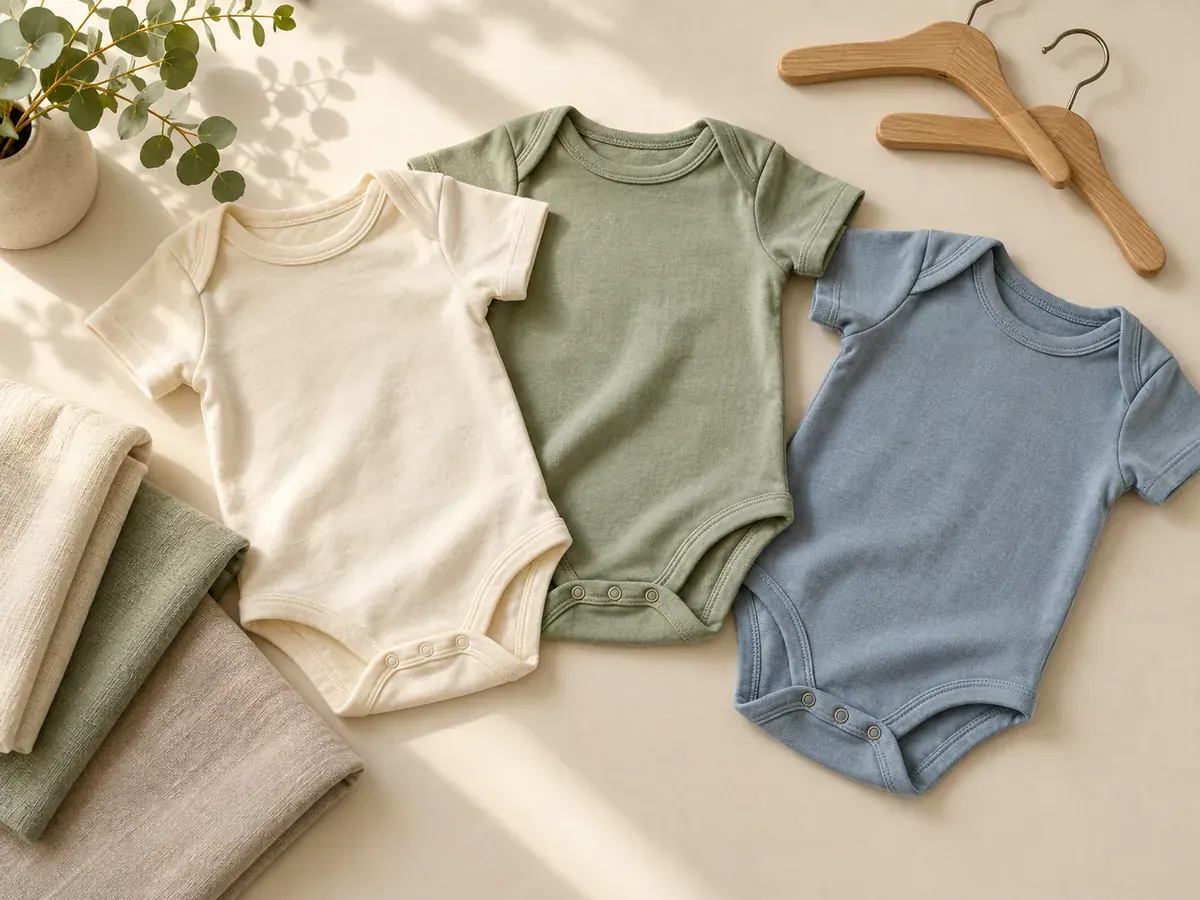
Monthly photographs do not need matching outfits to look connected. A useful starting point is to choose one fixed element and one flexible element. Keep the background cream while the clothes change, or keep clothing in a small colour family while the setting follows your everyday life.
Write your choice in a sentence: “Plain light background, soft green or blue clothes, and a close view of the face.” That sentence becomes a small style guide you can return to without buying a new coordinated set each month.
Consider the place where you will eventually see the pictures. A colourful family photo book can happily mix patterns and settings. A wall of twelve small prints may feel calmer with a recurring background. Neither approach is more authentic; choose the one you would like to live with.
Three easy palettes to build from existing clothes
These are design suggestions, not rules about which colours suit particular babies or skin tones. Hold the clothes near the actual background and take a test picture to see what you prefer.
Do a thumbnail test. View two or three test pictures small on your phone. If the outfit is the first thing you notice and you would rather see the face, choose a simpler garment or background. If you love the outfit's personality, keep it and make the rest of the composition quieter.
Make comfort part of the visual plan
Choose clothes that fit now and do not need constant adjustment to keep the neckline clear. Check the garment while the baby is in the position you will actually photograph. A collar that sits neatly when laid flat may bunch up when the baby is held.
Avoid making a costume the reason to change a comfortable hold. For young babies, NHS Inform emphasises head and neck support. Let the adult's hold determine the pose, then choose the camera angle around it.
If the session becomes sleep time, use appropriate fitted sleep clothing rather than photo accessories. Health Canada's safe-sleep guidance advises simple fitted sleepwear and avoiding overheating. A hat, oversized wrap, or decorative blanket is not necessary to communicate a theme.
Prepare a spare plain outfit for the practical reason you normally need one. There is little value in planning five looks if the first comfortable set already gives you a photograph you love.
Treat a background as a quiet supporting choice
Begin with what is already in the room. A wall beside a window, a clear corner, or a parent's plain shirt may provide all the background you need. Move distracting objects out of the camera's view before bringing the baby into the picture.
Look at the whole frame, including the edges. A doorframe appearing to grow out of a head or a bright laundry label can draw attention for the wrong reason. Moving the photographer a small distance may solve the problem without moving the baby.
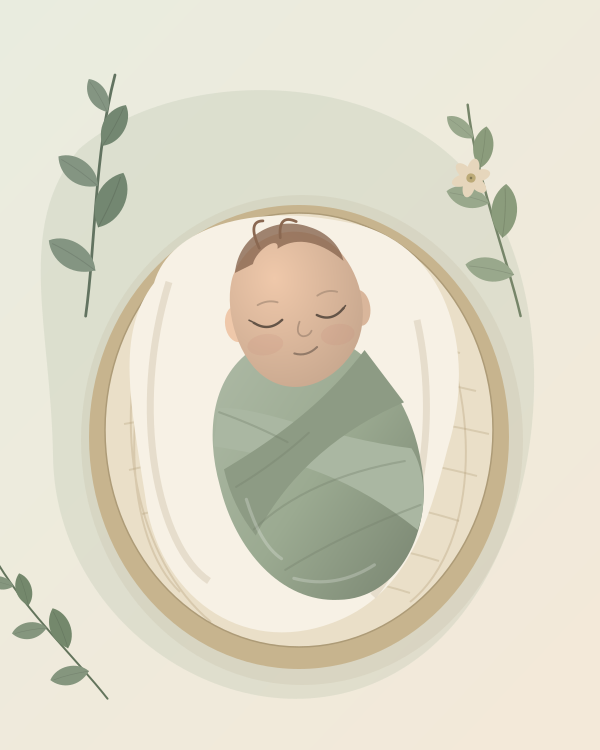
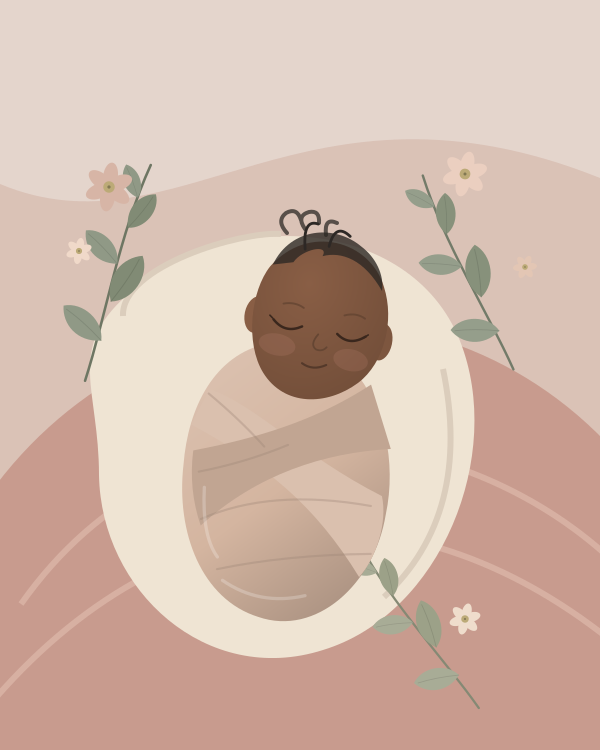
Be cautious about creating a physical set. You do not need to place a baby in a basket, on a raised prop, or among flowers to make a photograph feel themed. Photograph decorative objects separately for an album page, or consider a digital styling option that works from an appropriate source portrait.
Use texture without making the picture busy
One visible texture is often enough for a small portrait: a cotton knit, a soft-looking ribbed outfit, or a parent's linen shirt. If clothing has a strong pattern, try a plain background. If the room already has textured walls, start with simpler clothes.
For a personal example, imagine a green patterned romper that you especially want to remember. Put the holding adult in cream, frame against a plain wall, and leave some space around the baby. You have preserved the special garment without needing a second green pattern, matching headwear, and decorative objects.
Another family might prefer a cream onesie every month. The series can still feel varied through expression, which adult is holding the baby, and the changing proportions within the frame.
Plan a year without buying twelve outfits
Make a small list of clothes you already enjoy. Divide them into three broad groups: neutrals, gentle colours, and special everyday favourites. Each month, choose from the group that fits your palette and your baby's current size.
Repetition can become part of the story. A familiar colour in different sizes may connect the first and final portraits more effectively than twelve unrelated costumes. Keep meaningful garments as separate still-life photographs when they no longer fit, rather than trying to use them for one more session.
You can also make a seasonal rhythm: cream throughout the year with one colour in the parent's clothing changing every three months. This is an editorial choice you can maintain even if the baby's own wardrobe changes unexpectedly.
Understand what an edited portrait can change
Baby Lovin's monthly service can edit outfits, themes, and backgrounds while preserving the source pose and identity. It does not turn an unsuitable source pose into a reason to attempt a more elaborate physical setup at home.
Prepare four or five front-facing photographs with clear features. Include enough room around the head and body that the composition is understandable. Choose photographs from the month you want to document, and keep the originals alongside any edited results.
Browse the catalog to understand the studio's visual direction. Catalog scenes are inspiration; they are not a promise that a particular theme will be selected for every collection. If a detail is essential to your family, discuss it with the studio before assuming it will appear.
Keep the finished series cohesive
When choosing previews, place the new portrait beside the previous two or three months. Compare background brightness, framing, and the amount of space around the face. Choose the image that joins the series naturally, even if another image is more dramatic on its own.
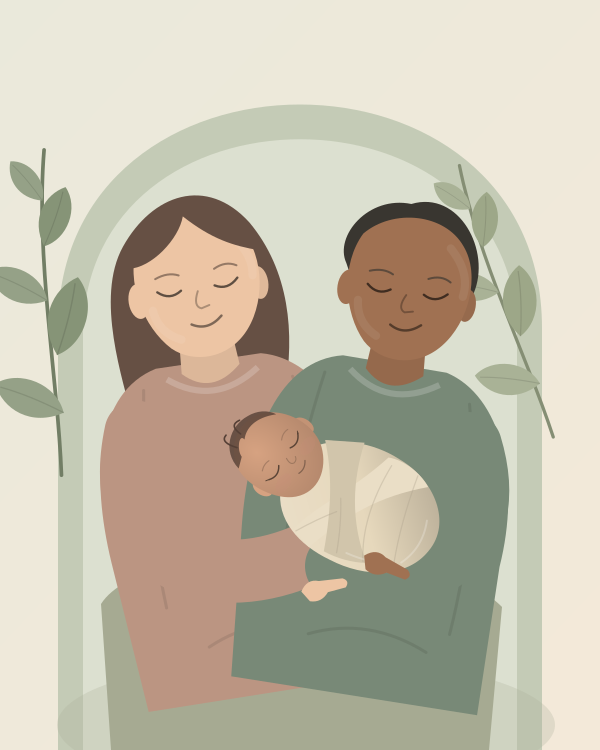
For broader planning, use first-year monthly photo ideas. If you are also including parents, family outfit colours can help connect the whole group without making everyone wear the same clothes.
Ready to begin? Open the monthly baby studio with your selected front-facing photos. The conversation asks about your baby's gender and month, then guides you through the upload.
Frequently asked questions
Does a plain outfit photograph better than a patterned one?
A plain outfit is an easy starting point when you want attention on the face. A meaningful patterned outfit can work well too. Simplify the background and look at a test photograph before deciding.
Should the background colour match the outfit exactly?
It does not need to. Try a small difference in lightness or colour so the clothing is easy to see. A cream outfit against a slightly darker neutral can look connected without blending into one shape.
Can I reuse the same background every month?
Yes, if the setup remains practical and comfortable. A repeated background is a useful visual thread. Change the arrangement when your baby's needs or your home make the original setup inconvenient.
Do digital themes replace the need for a clear photo?
No. A clear view of the face and a comfortable original pose remain important. Choose source photographs you already like before considering an outfit or background edit.
Sources